Aurora Magnollia: A Versatile Font Duo for Timeless Design
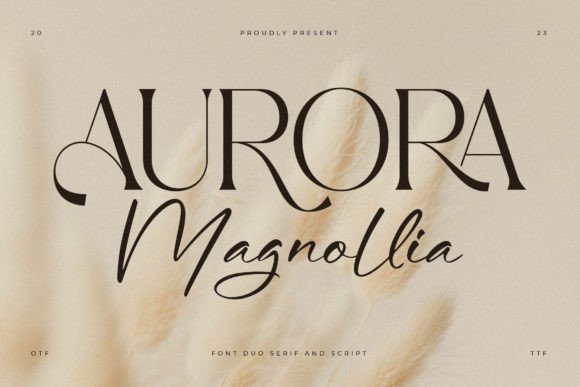
Aurora Magnollia is a font duo that blends the elegance of serif typography with the fluidity of script styles, offering designers a unique tool to enhance their creative projects. This combination makes it an appealing choice for those seeking a balance between tradition and modernity in their visual communication. Whether you're designing a logo, crafting a website, or preparing marketing materials, Aurora Magnollia provides a refined aesthetic that can adapt to various design needs.
Understanding the Aurora Magnollia Font Duo
The Aurora Magnollia font duo consists of two distinct typefaces: a serif font and a script font. The serif variant brings a sense of formality and professionalism, while the script counterpart introduces a more personal and artistic touch. This pairing allows for a wide range of stylistic applications, from formal invitations to casual social media posts.
Key Features:
- Elegant Serif Style: The serif font in Aurora Magnollia is characterized by its clean lines and balanced proportions, making it ideal for headings, titles, and body text in professional settings.
- Graceful Script Style: The script font adds a handcrafted feel, perfect for adding a personal signature or emphasizing key phrases in designs.
- Versatility: The duo supports multiple languages and includes extensive character sets, making it suitable for both English and international projects.
Comparing Aurora Magnollia with Similar Fonts
When considering fonts like Aurora Magnollia, it's helpful to compare them with other popular serif and script combinations on the market. While many font duos focus on either a serif or a script style, Aurora Magnollia stands out by seamlessly integrating both into one package.
Fonts such as Playfair Display and Lora are well-known serif fonts that offer a similar level of sophistication but lack the script component. Similarly, script fonts like Great Vibes and Bell MT provide a more artistic flair but may not be as suitable for formal documents or websites requiring readability.
Compared to these alternatives, Aurora Magnollia offers a more comprehensive solution by combining the best elements of both styles. This makes it particularly useful for projects that require a blend of professionalism and creativity, such as branding materials, wedding invitations, or editorial designs.
Strengths and Tradeoffs of Aurora Magnollia
The primary strength of Aurora Magnollia lies in its versatility. It allows designers to create visually appealing layouts without needing to switch between multiple fonts. This can streamline the design process and ensure a cohesive look across different elements of a project.
However, there are some tradeoffs to consider. The script font, while beautiful, may not be the best choice for long blocks of text due to its flowing nature, which can reduce readability. Additionally, while the serif font is highly legible, it may not be as effective in digital formats where sans-serif fonts often perform better on screens.
Designers should also be mindful of licensing terms when using Aurora Magnollia. Depending on the platform or software they use, they may need to purchase additional licenses for commercial use, which could add to the overall cost.
Best-Fit Situations for Aurora Magnollia
Aurora Magnollia is well-suited for a variety of design scenarios. Here are some examples of when this font duo might be the right choice:
- Branding Projects: The combination of serif and script fonts can help create a brand identity that feels both professional and approachable.
- Event Invitations: The script font adds a personal touch, making it ideal for weddings, birthdays, or corporate events.
- Editorial Design: The serif font is excellent for headlines and subheadings in magazines or newspapers, while the script font can be used for pull quotes or special features.
- Digital Content: When used appropriately, Aurora Magnollia can enhance the visual appeal of websites, blogs, or e-books without compromising readability.
On the other hand, if a project requires a high level of screen readability or a minimalist design approach, a sans-serif font may be more appropriate. In such cases, designers might consider alternatives like Helvetica Neue or Open Sans.
Practical Examples and Use Cases
To illustrate how Aurora Magnollia can be applied in real-world scenarios, consider the following examples:
- Logo Design: A company looking to establish a classic yet modern image might use the serif font for the main logo text and the script font for a tagline or slogan.
- Website Headers: The serif font can be used for navigation menus and headings, while the script font can highlight key sections or call-to-action buttons.
- Print Materials: For brochures or flyers, the combination of both fonts can create a layered effect that draws attention to important information.
These examples demonstrate how Aurora Magnollia can be tailored to meet specific design goals while maintaining a consistent visual theme throughout a project.
Decision Factors for Choosing Aurora Magnollia
Before deciding to use Aurora Magnollia, designers should consider several factors, including the intended use of the font, the target audience, and the overall design aesthetic. It's also important to evaluate whether the font will be used primarily for print or digital media, as this can affect readability and performance.
Another consideration is the availability of support and resources. While Aurora Magnollia is available through various font platforms, it's essential to verify that it is compatible with the design tools being used. Additionally, checking reviews and user feedback can provide insight into the font's performance and suitability for different types of projects.
In summary, Aurora Magnollia is a versatile font duo that offers a unique blend of serif and script styles. Its elegant design and wide range of applications make it a valuable addition to any designer's toolkit. However, it's important to weigh its strengths and limitations against the specific requirements of each project to determine if it is the best fit.