Lively Writing: Infusing Creativity into Everyday Tasks and Projects
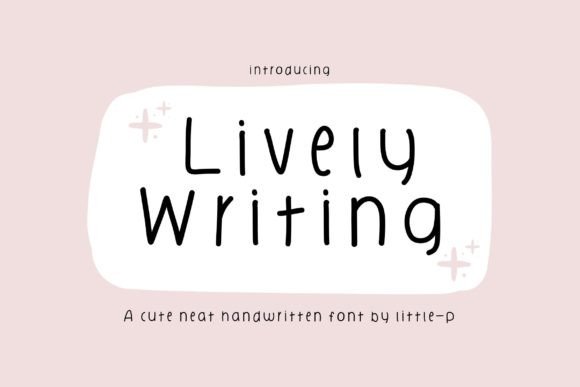
Typography is more than just choosing a font—it's about shaping the tone, clarity, and emotional impact of your message. Lively Writing, a playful handwritten font, offers a unique opportunity to inject personality and vibrancy into your creative work. Designed with spirited strokes and an engaging style, this font bridges the gap between digital efficiency and human expression, making it a strategic tool for professionals, educators, and creatives alike.
The Strategic Value of Lively Writing
In today’s fast-paced digital world, standing out requires more than just good content—it demands visual distinctiveness. Lively Writing brings a sense of warmth and authenticity that can elevate everything from branding materials to personal notes. Its easy-to-read structure ensures that the playful aesthetic doesn’t compromise legibility, making it a versatile choice across multiple platforms and mediums.
For entrepreneurs and small business owners, using Lively Writing in marketing collateral or social media posts can help establish a more approachable brand voice. Educators might use it in digital planners or classroom materials to create a more engaging learning environment. Freelancers and bloggers could incorporate it into quotes or blog headers to add a touch of personality that resonates with their audience.
When to Use Lively Writing Strategically
Lively Writing thrives in contexts where creativity and engagement are key. Consider using it in:
- Digital planners and task management tools like GoodNotes for a more dynamic note-taking experience.
- Greeting cards or personalized messages to make communication feel more heartfelt.
- Branding elements such as logos, packaging, or promotional banners where a human touch enhances connection.
- Blog headers, quotes, and social media captions to capture attention and convey energy.
- T-shirt designs or custom merchandise to reflect a brand’s personality visually.
However, its effectiveness hinges on context. While it can be a powerful tool in creative fields, overuse may dilute its impact. The key is to apply it intentionally—where it aligns with your brand’s voice and the intended message.
Planning Your Use of Lively Writing
Before incorporating Lively Writing into any project, consider the following factors:
- Target Audience: Who will see this content? Will they appreciate the whimsical nature of the font, or does it risk being perceived as unprofessional?
- Platform and Medium: Does the platform support handwritten fonts well? Some digital environments may not render the font accurately, so testing is crucial.
- Brand Consistency: How does this font align with your overall brand identity? It should complement—not contradict—your established visual language.
- Legibility Requirements: In cases where readability is critical (e.g., legal documents, formal reports), a more standard font may be more appropriate.
Strategic planning ensures that Lively Writing enhances rather than hinders your message. Think of it as a stylistic accent, not the main feature. When used thoughtfully, it can transform mundane tasks into expressive, memorable experiences.
Practical Examples of Lively Writing in Action
Let’s explore how different professions can benefit from using Lively Writing:
Entrepreneurs: Incorporating Lively Writing into email signatures or social media bios adds a personal flair that helps build rapport with clients and followers.
Marketers: Using the font in ad copy or campaign visuals can make messaging feel more relatable and less corporate, especially for lifestyle or wellness brands.
Freelancers: Designing a signature block with Lively Writing can make invoices or proposals stand out while maintaining professionalism.
Educators: Teachers can use it in lesson plans or student feedback to foster a more engaging and encouraging classroom atmosphere.
Designers: Creating custom illustrations or text overlays with Lively Writing can add a unique character to web designs, print projects, or presentations.
Risks and Considerations
While Lively Writing has many benefits, there are potential pitfalls if it’s not used carefully. One major risk is overuse—applying it everywhere can lead to visual clutter and reduce its impact. Another concern is mismatched context; using a playful font in a formal setting might confuse or alienate your audience.
Additionally, some digital tools may not support handwritten fonts effectively, leading to inconsistent rendering across devices or platforms. Always test your designs on multiple screens and browsers to ensure the font displays correctly.
Lastly, consider accessibility. While Lively Writing is designed to be easy to read, individuals with dyslexia or visual impairments may find it challenging. If you’re designing for a broad audience, provide alternative versions in more standard fonts.
How to Approach Lively Writing with Intention
To use Lively Writing effectively, start by defining your goals. Are you trying to increase engagement, reinforce brand personality, or enhance the visual appeal of your content? Once you have clarity, select specific areas where the font will add value without overshadowing the message.
Next, experiment with different applications. Try using it in headers, call-out boxes, or decorative elements rather than body text. This way, you maintain readability while still benefiting from the font’s charm.
Finally, gather feedback. Show your designs to colleagues or target users to see how the font is received. Their insights can help you refine your approach and ensure that Lively Writing serves your purpose effectively.
Conclusion: Elevating Creativity Through Thoughtful Typography
Lively Writing is more than just a font—it’s a strategic design element that can enhance creativity, engagement, and brand identity when used wisely. Whether you're an educator, marketer, designer, or entrepreneur, integrating this font into your workflow can offer fresh perspectives and new ways to express your ideas.
By understanding its strengths, limitations, and best practices, you can leverage Lively Writing to turn everyday tasks into opportunities for creative expression. The result is not only more visually appealing content but also stronger connections with your audience and more effective communication of your message.